
The Author’s Defense of His Stories
The DecameronThis flow traces the narrator’s explanation of why he writes about love, women, pleasure, and imperfect human conduct.
increasing Bearing strength in each event
 decreasing
Bearing strength in each eventdecreasingComfort Remembered

Comfort Remembered
Personal beginnings
The author recalls receiving consolation during his own painful experience of love. Gratitude motivates him to offer comfort to others.
Intended readers
He especially addresses women in love, whose confined circumstances, he argues, give them fewer diversions than men.
A Hundred Tales Promised
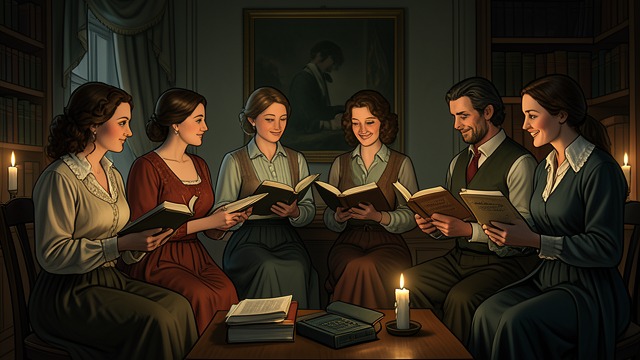
A Hundred Tales Promised
Purpose and form
The author promises one hundred stories told over ten days by seven ladies and three young men, with songs for their recreation.
Pleasure and counsel
He presents the tales as both enjoyable and potentially useful. Their examples may show readers what to avoid and what to pursue.
The Plague Explained
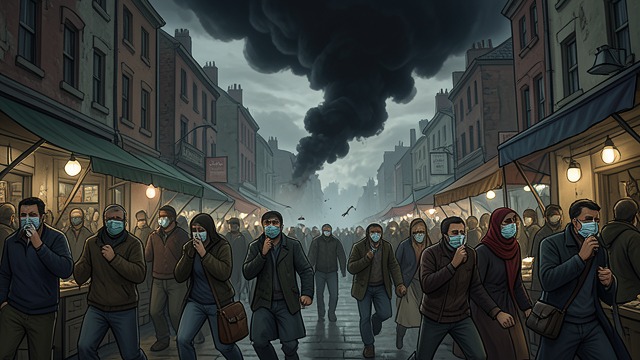
The Plague Explained
Historical setting
The narrative describes the 1348 plague and the collapse of familiar civic and family routines. Its grim opening gives a reason for the company’s departure.
Contrast in tone
The author warns that this brief account leads into a more pleasurable narrative. Suffering establishes the need for the later retreat and its stories.
Criticism Answered
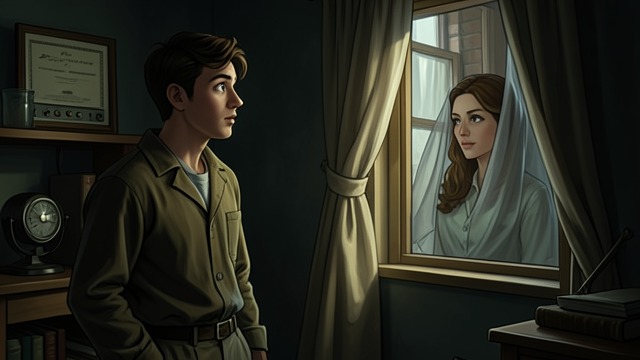
Criticism Answered
Charges against the author
The author reports objections to his praise of women and to his continued writing about them. Critics also question his age, style, and practical usefulness.
A comic defense
He answers through the story of a sheltered young man’s first sight of women. The anecdote makes natural desire a reply to those who condemn his subject.
Stories Offered Without Apology
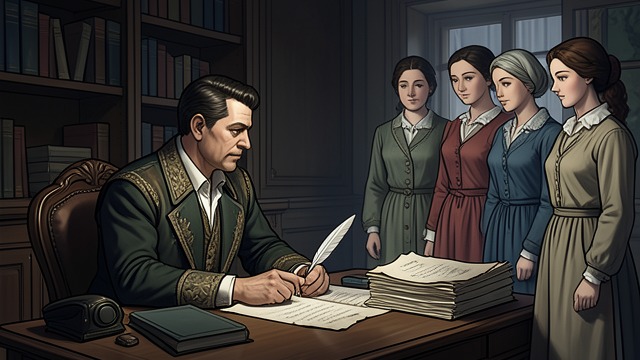
Stories Offered Without Apology
The author’s response
He argues that stories can be used well or badly according to their readers. Imperfect tales need not make the whole collection worthless.
Ending the work
The conclusion thanks God and the women for whom the work was made. The narrator rests his pen after defending its purpose and variety.
The Proem, before the plague narrative
The end of the Proem
The opening of Day One
The opening of Day Four
The final conclusion
